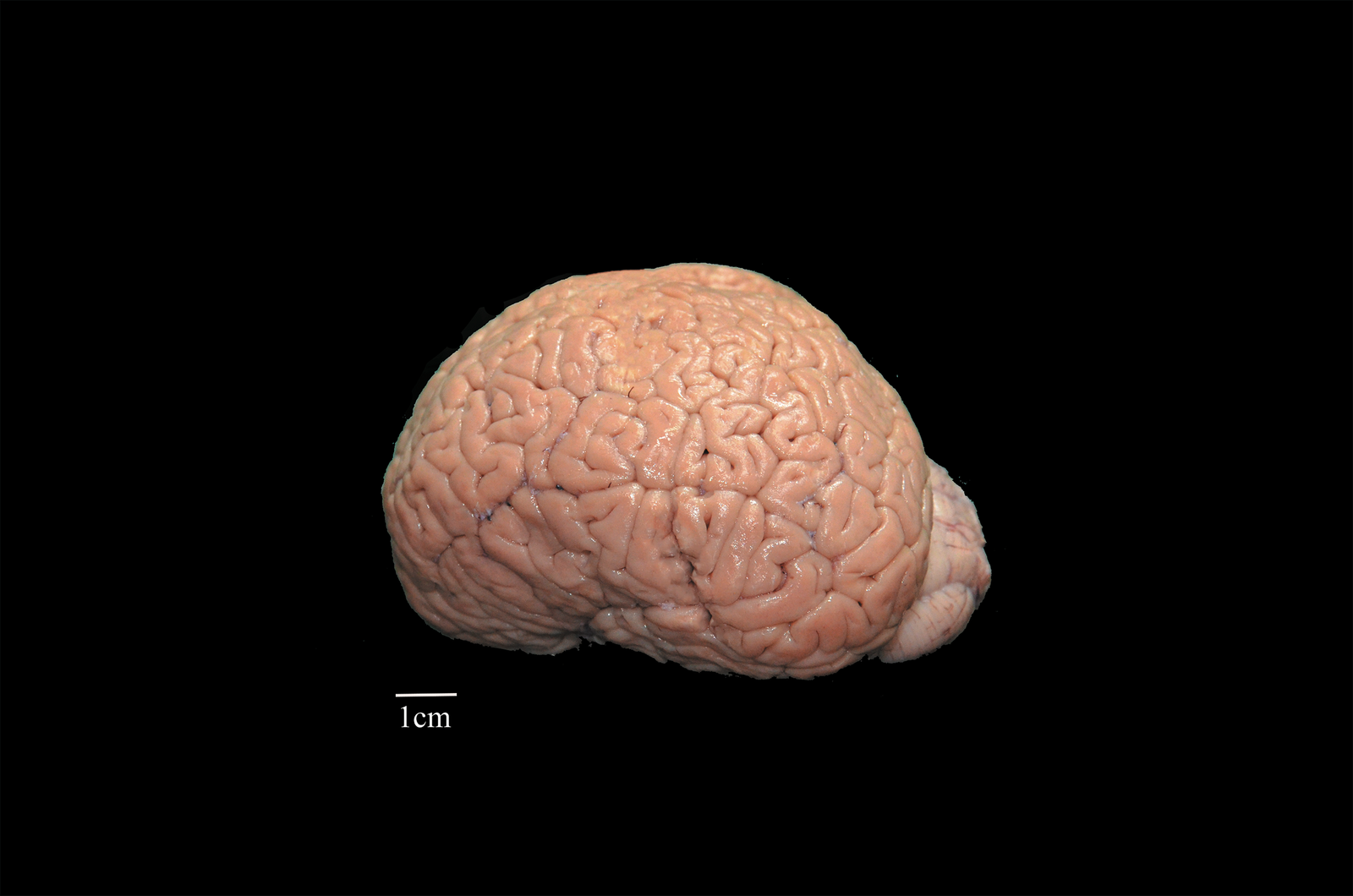
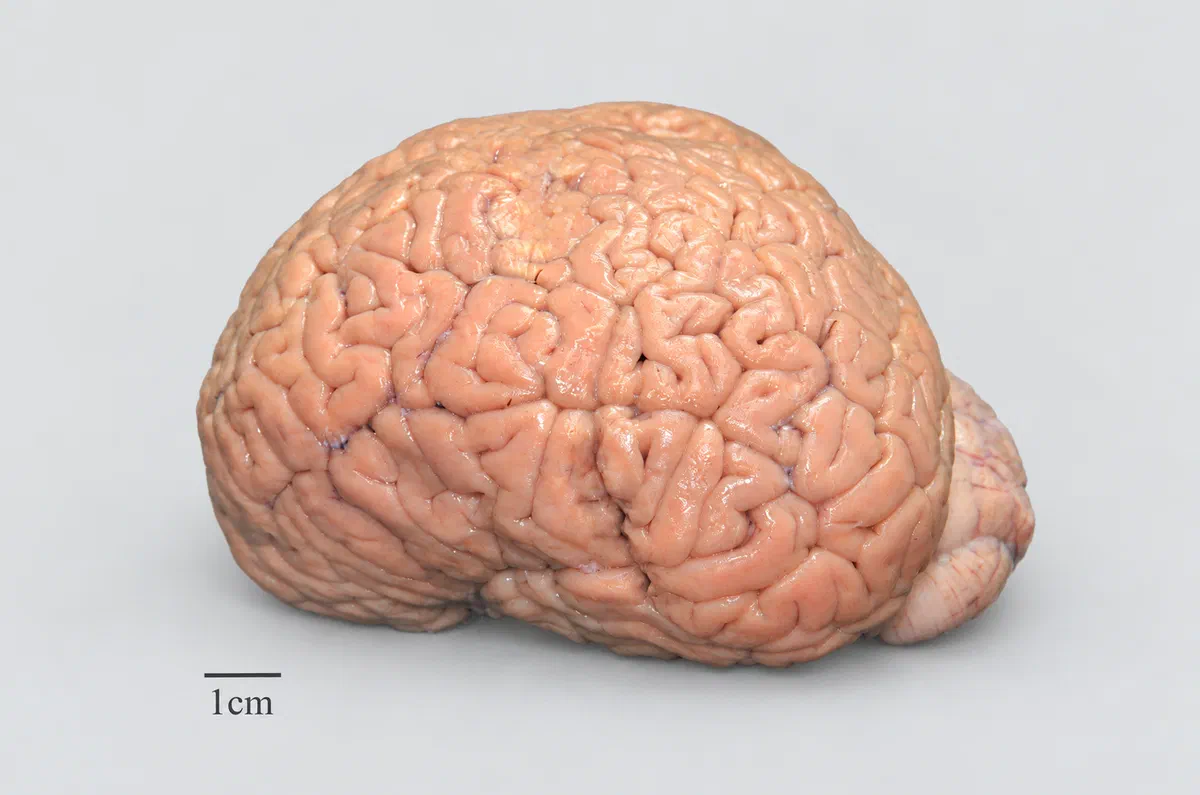
Brain
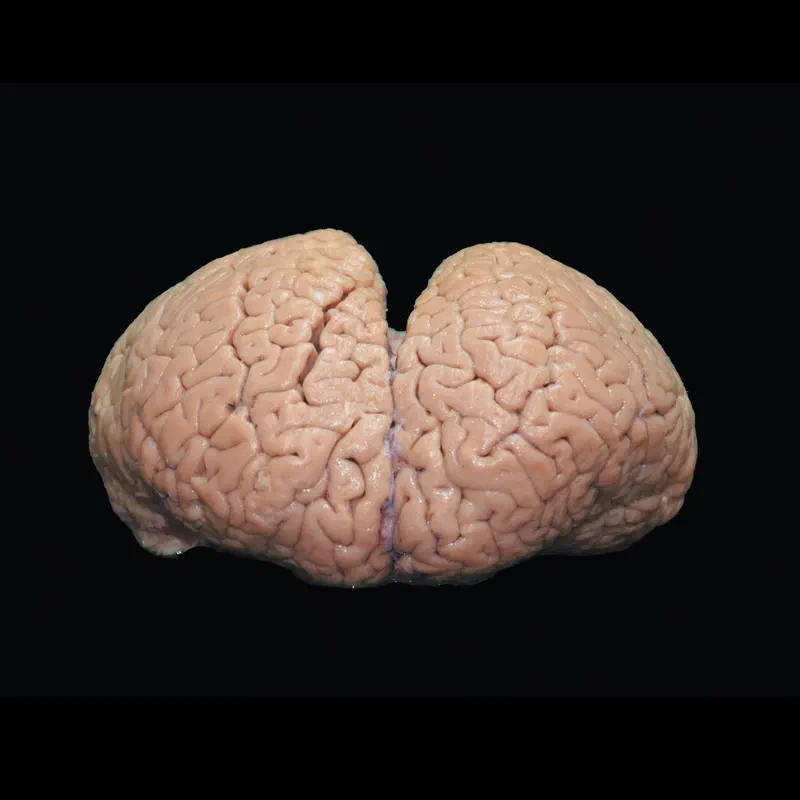
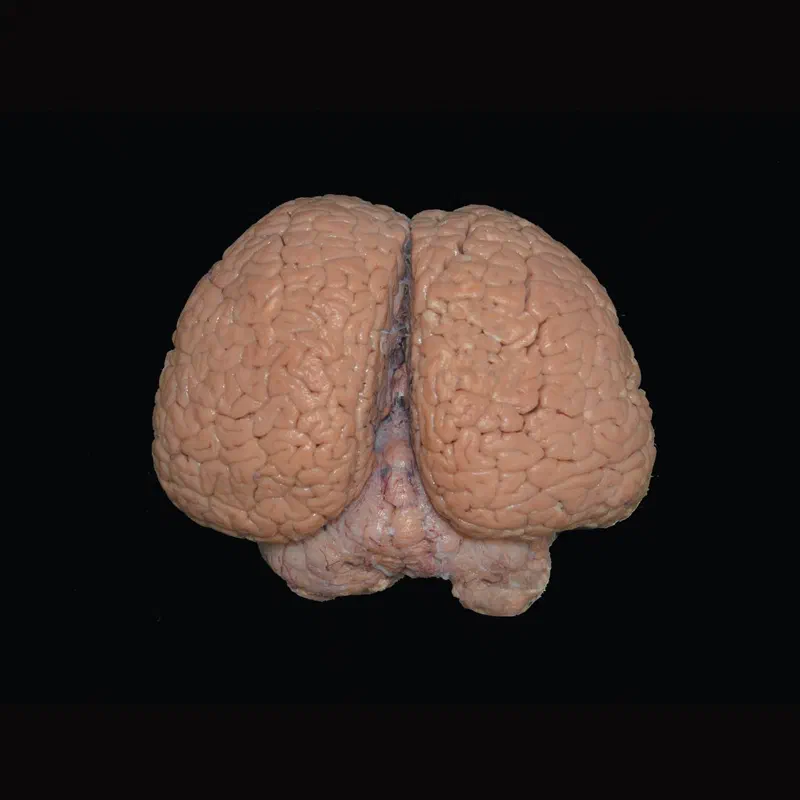
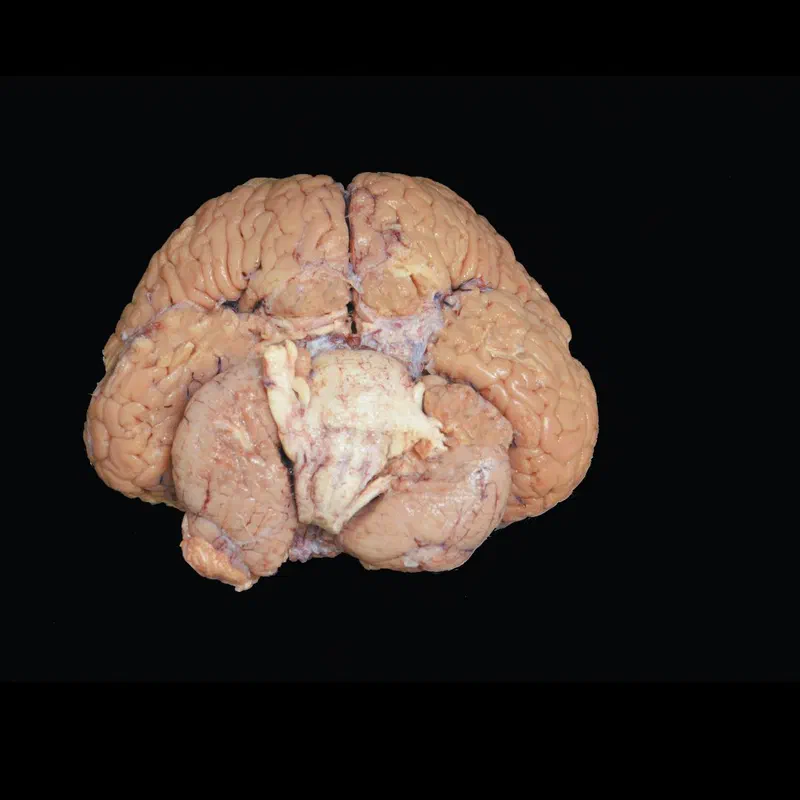
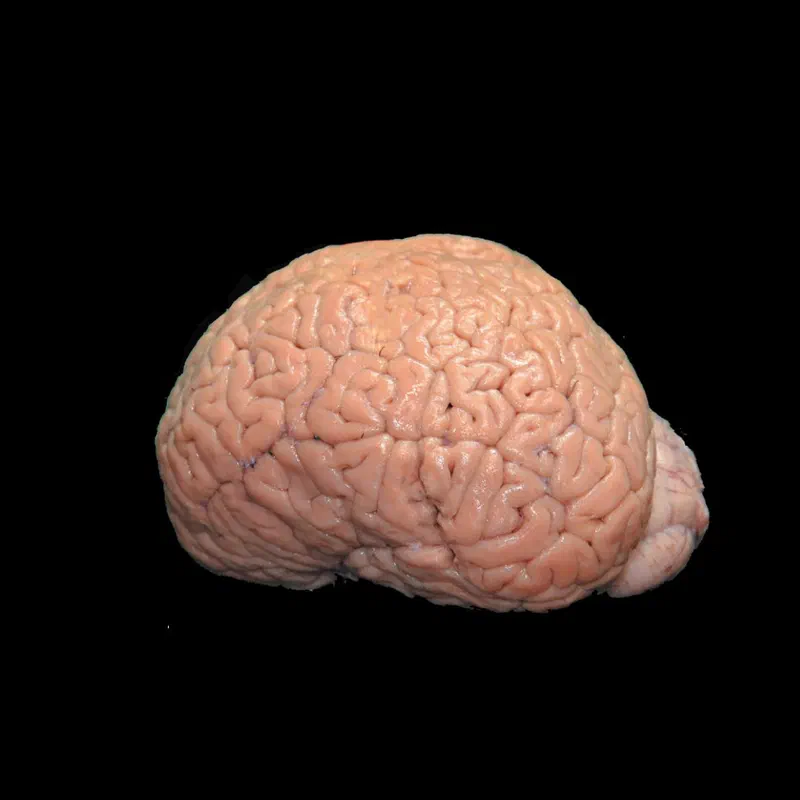
Lateral viewAnatomical photograph of the brain of Sotalia guianensis.
Species record
Guiana dolphin · Boto-cinza
Anatomical photograph of the brain of Sotalia guianensis.
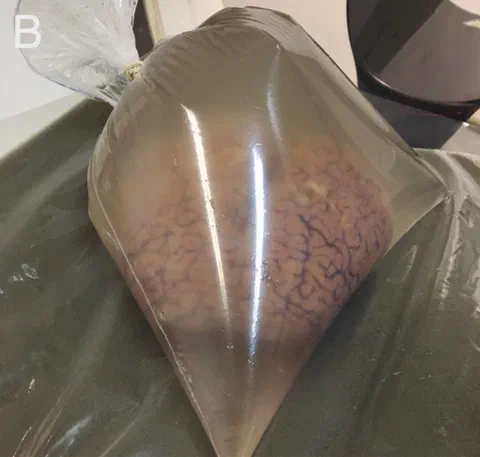
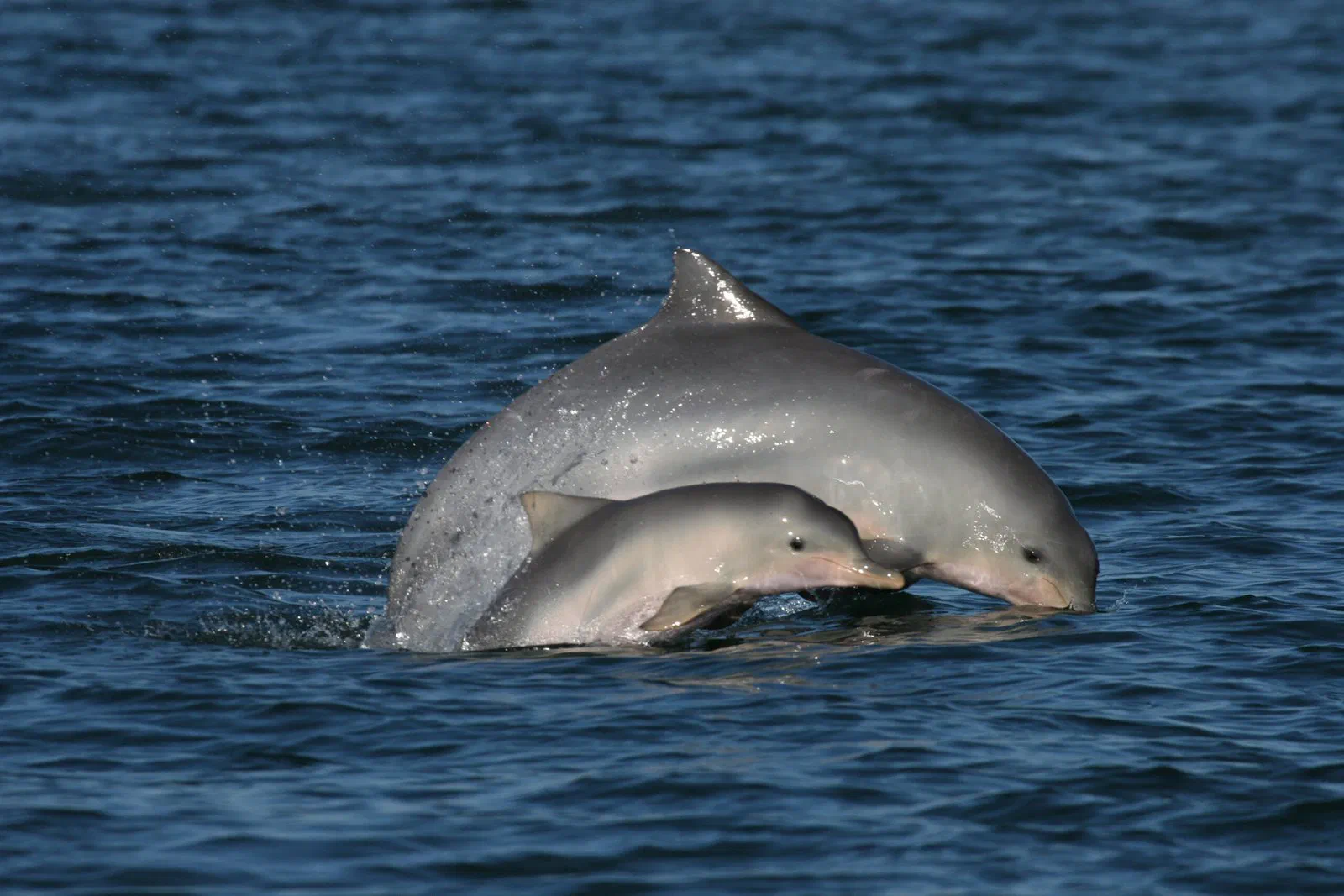
The Guiana dolphin (Sotalia guianensis), known in Brazil as boto-cinza, is a small cetacean belonging to the family Delphinidae. Found along the Atlantic coast of Central and South America, from Nicaragua to southern Brazil, it mainly inhabits shallow coastal waters, bays and estuaries.
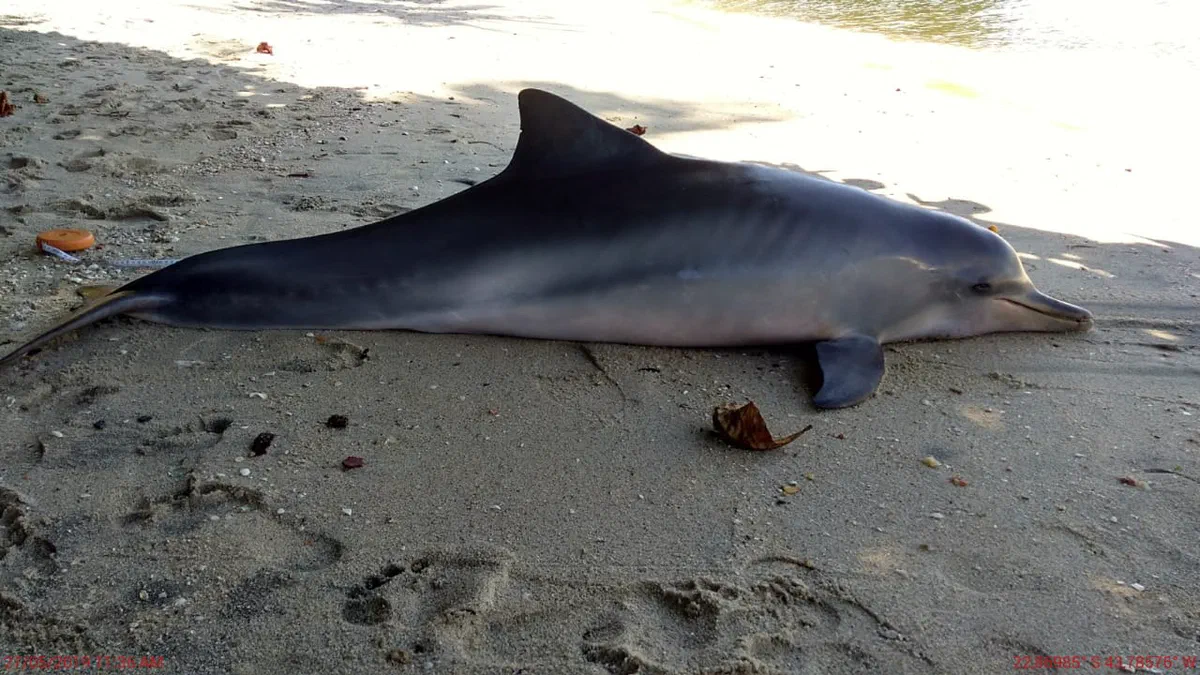
The species can reach approximately 2.2 metres in length and has a greyish back and a lighter, often pinkish underside. It is a social animal, usually observed in small groups, although larger aggregations can also occur. Its diet consists mainly of fish, as well as cephalopods.
Because it inhabits coastal environments often close to urban areas, the Guiana dolphin is particularly exposed to threats such as accidental capture in fishing nets, pollution and habitat degradation. It is currently classified as Near Threatened (NT) globally and Vulnerable (VU) in Brazil.
Studying its brain anatomy contributes to understanding the organisation and evolution of the cetacean nervous system, especially the characteristics of the cerebral cortex and possible relationships between brain structure and adaptations to life in coastal aquatic environments.
Baía de Sepetiba, RJ
About the material
The animal was collected through partnerships with Instituto Boto Cinza (IBC) and the Laboratory of Aquatic Mammals and Bioindicators (MAQUA – UERJ). The brain was collected by biologist Kamilla Souza. Imaging was performed on an ultra-high-field 7T scanner through a partnership with the School of Medicine of the University of São Paulo (FMUSP).
Related publication
Anatomical and volumetric description of the guiana dolphin (Sotalia guianensis) brain from ultra-high-field magnetic resonance imaging.
Read the articleRequest materials
Provide your institution and the goal of your research to request materials related to Sotalia guianensis.